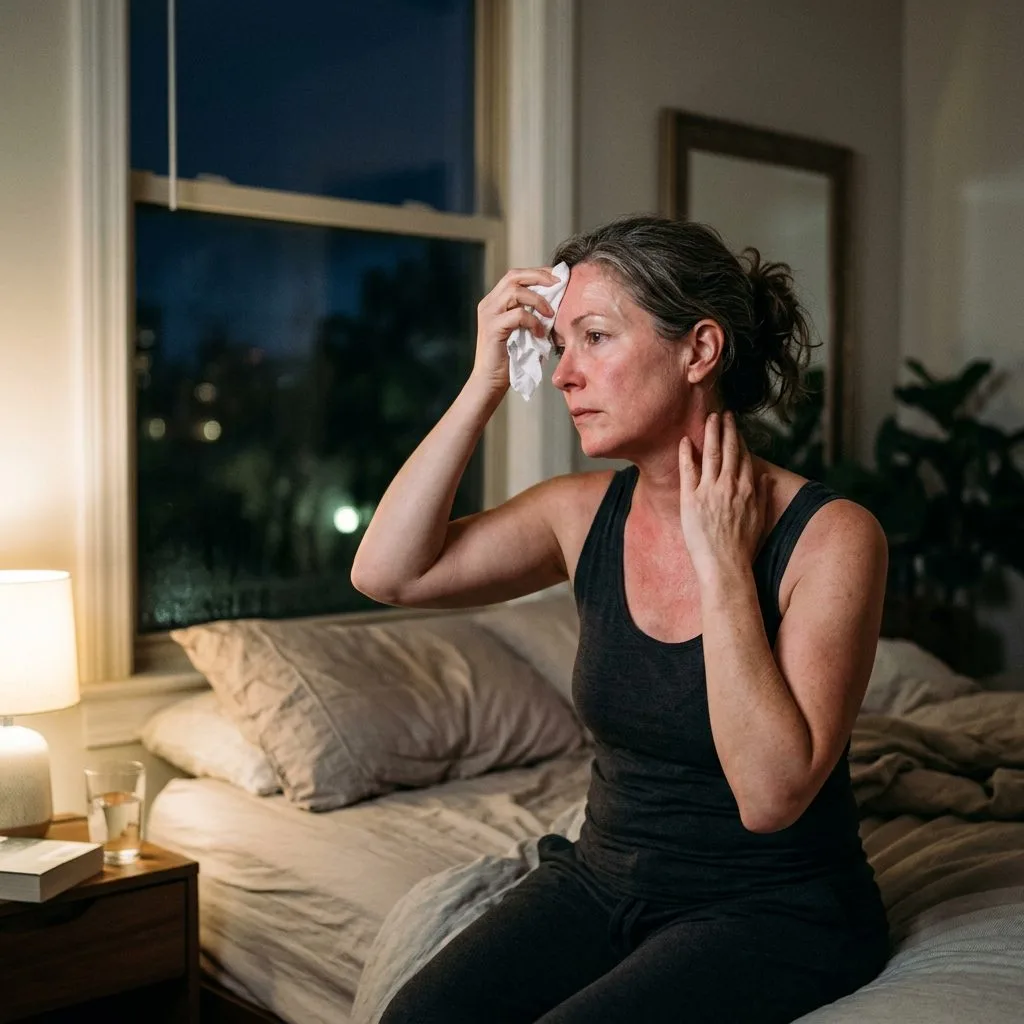
What is perimenopause and menopause symptoms?
Perimenopause is the years-long transition leading up to menopause, characterized by hormonal fluctuations as ovarian function declines. It typically starts in the mid-40s and lasts 4–8 years. Menopause is officially diagnosed 12 months after the last menstrual period, average age 51.
Symptoms during this transition can include hot flashes and night sweats (vasomotor symptoms), irregular periods, sleep disturbance, mood changes, brain fog, vaginal dryness, decreased libido, joint aches, palpitations, and many others. Severity varies enormously between individuals.
The Women's Health Initiative study in the early 2000s raised concerns about hormone replacement therapy that have since been substantially re-interpreted. Current evidence supports HRT as effective and safe for symptom relief in most women under 60 or within 10 years of menopause, when used with appropriate type and dose.
Do I have perimenopause and menopause symptoms? Common signs
If most of these describe what you're experiencing, telehealth is a reasonable next step:
What causes it
Declining and fluctuating estrogen and progesterone as ovarian function winds down. The symptoms are largely driven by these hormonal changes affecting the brain (vasomotor instability, sleep, mood), genitourinary tissues, and other body systems.
Is it contagious?
No.
The Women's Health Initiative scared a generation away from hormones — but the data has been substantially re-interpreted.
Can it be treated online?
Perimenopause and menopause care is exceptionally suited to telehealth. The evaluation is largely history-based: symptoms, menstrual pattern, family history, current health, screening for contraindications to HRT. Blood tests can confirm hormonal status when needed. Treatment can be prescribed, monitored, and adjusted entirely by telehealth in most cases.
In-person care may be needed for: pelvic exam if not done recently, vaginal symptoms requiring exam, unusual bleeding patterns, breast concerns, or cardiovascular risk assessment.
How perimenopause and menopause symptoms is treated
Hormone replacement therapy (HRT): estrogen (transdermal patches, oral, or vaginal — depending on symptoms) plus progesterone for women with a uterus. For most women under 60 or within 10 years of menopause, HRT is highly effective for vasomotor symptoms and has favorable risk profile. Options for various preferences and risk factors.
Non-hormonal options for hot flashes: SSRIs (paroxetine — the only FDA-approved non-hormonal for vasomotor symptoms — venlafaxine, escitalopram), gabapentin, fezolinetant (Veozah — newer NK3 antagonist), clonidine, and lifestyle measures.
Local vaginal estrogen: for vaginal/urinary symptoms — very low systemic absorption, safe even in many women who can't take systemic HRT.
Lifestyle: exercise, weight management, layered clothing, sleep hygiene, stress management, limiting alcohol and caffeine.
Self-care while you wait
- Layer clothing for easy temperature adjustment
- Keep bedroom cool, fan, breathable bedding
- Regular exercise — even 30 minutes daily makes a difference
- Maintain healthy weight
- Limit alcohol, caffeine, spicy foods (trigger hot flashes for many)
- Pelvic floor exercises
- Vaginal moisturizer or lubricant for dryness
- Calcium, vitamin D, and weight-bearing exercise for bones
- Cognitive behavioral therapy can help with hot flashes and sleep
- Address sleep apnea — common and worsens during this transition
How long does it last?
Perimenopause typically lasts 4–8 years. Vasomotor symptoms (hot flashes, night sweats) average 7–10 years total, but can be much shorter or longer. Genitourinary symptoms tend to persist or worsen postmenopause without treatment. With appropriate treatment, symptoms can be largely controlled while needed.
Frequently asked questions
Is HRT safe?
For most healthy women under 60 or within 10 years of menopause without significant cardiovascular disease or breast cancer history, modern HRT is safe and effective for symptom relief. Transdermal estrogen has more favorable risk profile than oral. Newer evidence has substantially walked back the WHI-era fears.
Why was the WHI study so scary?
The WHI included older women (average 63) starting HRT well past menopause. Risks may have been overstated for that group, and certainly were overstated for younger women near menopause where the benefit-risk profile is much more favorable. Modern interpretation supports HRT in appropriate candidates.
Do I need bioidentical hormones?
"Bioidentical" is marketing language. FDA-approved bioidentical hormones (estradiol patches, oral micronized progesterone) are excellent options. Compounded bioidenticals from custom pharmacies are not FDA-regulated, have inconsistent dosing, and aren't supported by evidence as superior.
Will I gain weight?
Many women gain weight during this transition — partly hormonal, partly aging and lifestyle. HRT doesn't cause weight gain (some evidence suggests it may help body composition). Exercise and nutrition matter more than ever.
What about libido?
Decreased libido in perimenopause is multifactorial — hormonal, sleep, mood, relationship, vaginal dryness/pain. HRT helps some. For others, treating sleep, mood, and vaginal symptoms restores desire. Testosterone is sometimes used off-label for women with persistent low libido after addressing other factors.