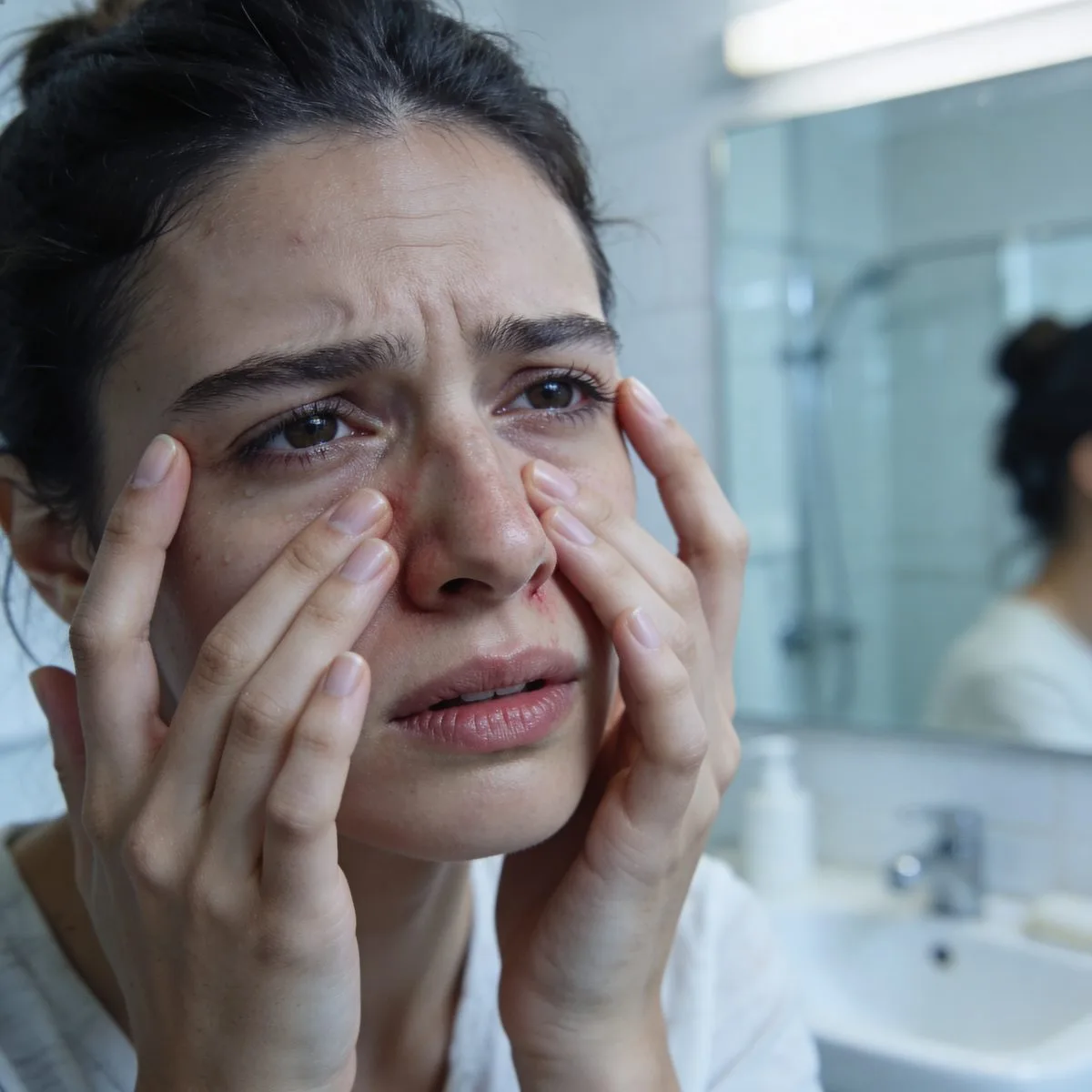
What is seasonal allergies?
Allergic rhinitis ("hay fever") is your immune system overreacting to an inhaled allergen — pollen, mold spores, dust mites, pet dander, or cockroach particles. The reaction releases histamine and other inflammatory chemicals that cause sneezing, runny nose, itchy eyes, and congestion.
Seasonal allergies follow pollen calendars — tree pollen in spring, grass in summer, weed pollen and mold in fall. Perennial allergies happen year-round and are usually caused by indoor triggers like dust mites or pet dander.
Allergic rhinitis affects 30% of adults and 40% of children in the US. Untreated, it can lead to sinus infections, ear infections, asthma flares, and significantly reduced quality of life.
Do I have seasonal allergies? Common signs
If most of these describe what you're experiencing, telehealth is a reasonable next step:
What causes it
Pollen from trees (early spring), grasses (late spring/summer), and weeds (late summer/fall) drives seasonal allergies. Mold spores spike in damp weather and fall. Year-round culprits include dust mites, cockroach particles, pet dander, and indoor mold. Your immune system makes IgE antibodies against these otherwise harmless particles — and on re-exposure, releases histamine, causing the allergy response.
Is it contagious?
No — allergic rhinitis is not contagious at all. You can't catch it from someone with allergies, even if their symptoms look similar to a cold. The distinguishing feature: allergies are itchy (cold isn't), include clear watery discharge (cold turns thick), and don't produce fever.
The right nasal steroid takes a few days to kick in fully — start sooner, suffer less.
Can it be treated online?
Allergic rhinitis is among the most telehealth-appropriate conditions. A clinician walks through your symptoms, timing, and triggers, then recommends a tiered approach: trigger avoidance, OTC antihistamines, prescription nasal steroids, and for severe cases, immunotherapy referrals. No physical exam typically needed.
How seasonal allergies is treated
First-line is a daily nasal corticosteroid spray like fluticasone (Flonase), mometasone (Nasonex), or budesonide (Rhinocort) — these are the single most effective treatment but take 3–7 days to reach peak effect. Add an oral antihistamine like cetirizine (Zyrtec), loratadine (Claritin), or fexofenadine (Allegra) for breakthrough symptoms. Add an antihistamine eye drop like olopatadine for itchy watery eyes. For severe persistent symptoms, montelukast (Singulair) or referral for allergy testing and immunotherapy.
Self-care while you wait
- Check daily pollen counts and limit outdoor activity on high days
- Shower and change clothes after being outside during pollen season
- Keep windows closed and use air conditioning with a HEPA filter
- Wash bedding weekly in hot water for dust mite control
- Avoid line-drying clothes outside during pollen season
- Use saline nasal rinse (with distilled water) daily
- For pet allergies, keep pets out of the bedroom
- Vacuum with a HEPA-equipped vacuum
How long does it last?
Untreated seasonal allergies persist as long as you're exposed to your trigger (often weeks to months). With proper treatment, most people get 70–90% improvement within a week of starting daily nasal steroid plus antihistamine. Allergies tend to be lifelong but often change in intensity over decades.
Frequently asked questions
Why aren't my OTC allergy meds working?
You may need to (1) use a nasal steroid daily — these are the workhorses but take days to kick in, (2) combine an antihistamine with a nasal steroid, (3) add eye drops for itchy eyes, or (4) consider allergy testing if you're still suffering on the right regimen.
Can I take antihistamines every day?
Yes — second-generation antihistamines (cetirizine, loratadine, fexofenadine) are safe for long-term daily use. Avoid first-generation (diphenhydramine/Benadryl) for daily allergy control — they cause significant drowsiness and aren't recommended.
When should I see an allergist?
If you're not controlled on the right combination of nasal steroid plus antihistamine plus avoidance, or if you have year-round severe symptoms, or asthma triggered by allergies, allergy testing and immunotherapy (allergy shots or sublingual tablets) can be life-changing.
Is it allergies or a cold?
Allergies are itchy (eyes, nose, throat), produce clear watery discharge, last weeks, don't cause fever, and improve when you avoid the trigger. Colds aren't typically itchy, produce thickening colored discharge, last 7–10 days, may cause mild fever, and improve on their own.
Will allergies turn into asthma?
Around 30% of people with allergic rhinitis develop asthma — this is the "atopic march." Treating allergies aggressively may reduce asthma development. If you start wheezing, get short of breath with exertion, or notice chest tightness, mention it — you may need an asthma evaluation.